before the Greeks and even the destruction of Cnossos must have seemed a very remote disturbance to both the citizens of Egypt and of Babylon. Dynasties came and went in these cradle states of civilization, but the main tenor of human life went on, with a slow increase in refinement and complexity age by age. In Egypt the accumulated monuments of more ancient times—the pyramids were already in their third thousand of years and a show for visitors just as they are to- day—were supplemented by fresh and splendid buildings, more particularly in the time of the seventeenth and nineteenth dynasties. The great temples at Karnak and Luxor date from this time. All the chief monuments of Nineveh, the great temples, the winged bulls with human heads, the reliefs of kings and chariots and lion hunts, were done in these centuries between 1600 and 600 B.C., and this period also covers most of the splendours of Babylon.
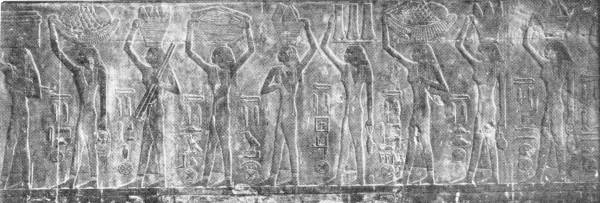
Both from Mesopotamia and Egypt we now have abundant public records, business accounts, stories, poetry and private correspondence. We know that life, for prosperous and influential people in such cities as Babylon and the Egyptian Thebes, was already almost as refined and as luxurious as that of comfortable and prosperous people to-day. Such people lived an orderly and ceremonious life in beautiful and beautifully furnished and decorated houses, wore richly decorated clothing and lovely jewels; they had feasts and festivals, entertained one another with