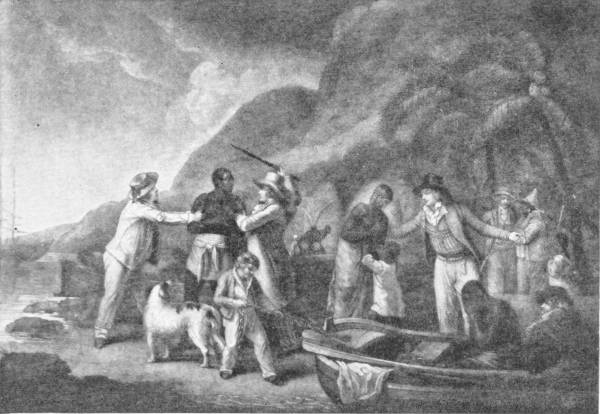
mankind in the early civilizations were employed in purely mechanical drudgery. At its onset, power-driven machinery did not seem to promise any release from such unintelligent toil. Great gangs of men were employed in excavating canals, in making railway cuttings and embankments, and the like. The number of miners increased enormously. But the extension of facilities and the output of commodities increased much more. And as the nineteenth century went on, the plain logic of the new situation asserted itself more clearly. Human beings were no longer wanted as a source of mere indiscriminated power. What could be done mechanically by a human being could be done faster and better by a machine. The human being was needed now only where choice and intelligence had to be exercised. Human beings were wanted only as human beings. The drudge, on whom all the previous civilizations had rested, the creature of mere obedience, the man whose brains were superfluous, had become unnecessary to the welfare of mankind.