so thrust into this dream we find the sleeping face and craving stomach of the Emperor Charles V, while Henry VIII of England and Luther tear the unity of Catholicism to shreds.
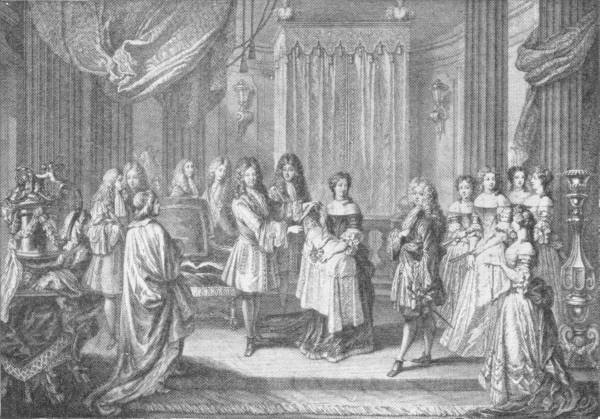
In the seventeenth and eighteenth centuries the dream turned to personal monarchy. The history of nearly all Europe during this period tells with variations the story of an attempt to consolidate a monarchy, to make it absolute and to extend its power over weaker adjacent regions, and of the steady resistance, first of the landowners and then with the increase of foreign trade and home industry, of the growing trading and moneyed class, to the exaction and interference of the crown. There is no universal victory of either side; here it is the King who gets the upper hand while there it is the man of private property who beats the King. In one case we find a King becoming the sun and centre of his national world, while just over his borders a sturdy mercantile class maintains a republic. So wide a range of variation shows how entirely experimental, what local accidents, were all the various governments of this period.