of the use of optical glass in microscope and telescope, a renewed energy in classificatory natural history, a great revival of anatomical science. The science of geology—foreshadowed by Aristotle and anticipated by Leonardo da Vinci (1452-1519)—began its great task of interpreting the Record of the Rocks.
The progress of physical science reacted upon metallurgy. Improved metallurgy, affording the possibility of a larger and bolder handling of masses of metal and other materials, reacted upon practical inventions. Machinery on a new scale and in a new abundance appeared to revolutionize industry.
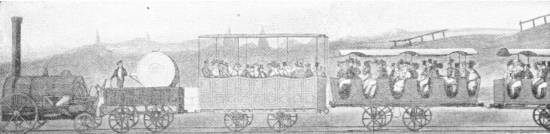
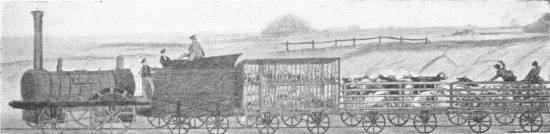
In 1804 Trevithick adapted the Watt engine to transport and made the first locomotive. In 1825 the first railway, between Stockton and Darlington, was opened, and Stephenson’s “Rocket,” with a thirteen-ton train, got up to a speed of forty-four miles per hour. From 1830 onward railways multiplied. By the middle of the century a network of railways had spread all over Europe.